FusionAuth | Authentication and Authorization for Apps


FusionAuth
FusionAuth

Introduction

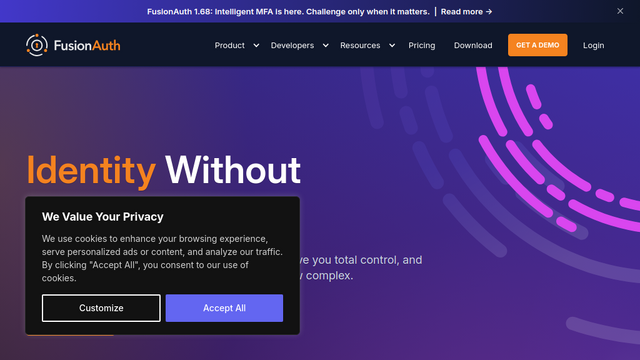
FusionAuth is a versatile, developer-focused identity and access management (IAM) platform designed to handle authentication, authorization, and user management for applications of any scale. It provides a flexible, API-first architecture that can be deployed anywhere, offering a balance between robust security features and ease of integration for developers.

Use Cases

  • Customer Identity Management
    Centralizing user profiles and authentication for B2C applications.
  • B2B SaaS Multi-tenancy
    Managing isolated user bases for different enterprise clients within a single platform.
  • Legacy System Modernization
    Replacing outdated or insecure authentication modules with a modern, standards-compliant solution.
  • Secure API Access
    Implementing OAuth2 and OpenID Connect to protect backend services and microservices.
  • Compliance & Security
    Ensuring data privacy and regulatory compliance (GDPR, SOC2) through centralized identity controls.

Features & Benefits

  • Flexible Deployment
    Run FusionAuth on-premise, in your private cloud, or via their managed cloud service.
  • Developer-First API
    A comprehensive REST API that allows full programmatic control over every aspect of the platform.
  • Advanced Security
    Includes features like multi-factor authentication (MFA), brute force detection, and password breach detection.
  • Single Sign-On (SSO)
    Seamlessly authenticate users across multiple applications using OIDC and SAML protocols.
  • User Management Dashboard
    A robust administrative UI for managing users, groups, roles, and application configurations.

Pros

  • Highly Customizable
    Extremely flexible configuration options that adapt to unique business requirements.
  • No Vendor Lock-in
    The ability to self-host ensures you maintain full control over your user data and infrastructure.
  • Transparent Pricing
    Predictable pricing model that doesn’t penalize you for scaling your user base.

Cons

  • Steep Learning Curve
    The depth of features and configuration options can be overwhelming for beginners.
  • Self-Hosting Overhead
    If choosing to self-host, the responsibility for maintenance, updates, and infrastructure security falls on your team.

Tutorial

None

Pricing


Popular Products